

Hands-Free Vibrator and Female Self-Care: Why Pleasure Belongs in Wellness
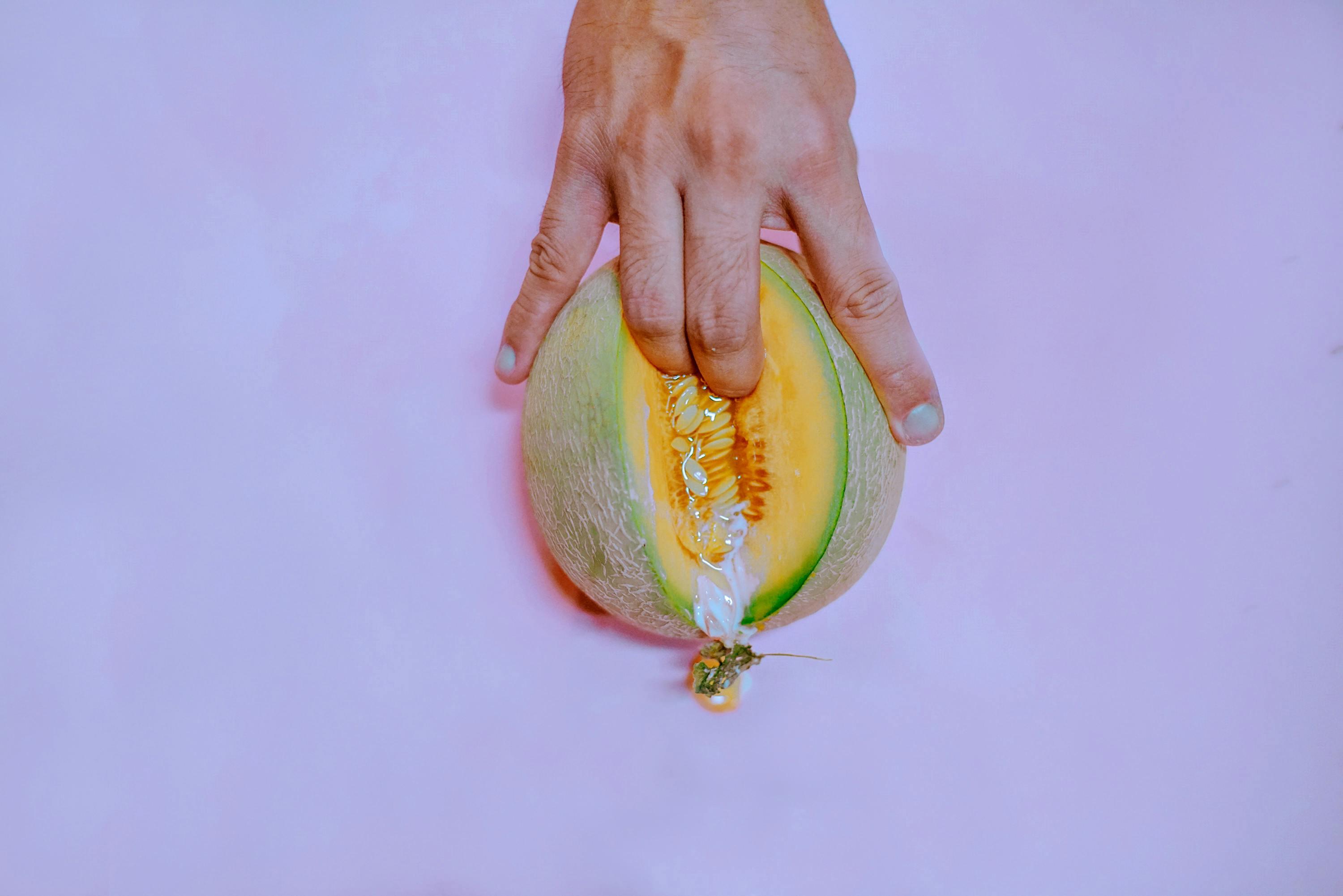
For many women, self-care is something they learn to practice slowly. Drinking more water. Sleeping better. Protecting their mental health. But there’s one part of wellness that’s still often pushed aside: sexual pleasure.
Female pleasure has long been treated as optional — something that depends on a partner, a mood, or the “right moment.” Yet pleasure is not a luxury. It’s a form of body awareness, emotional regulation, and self-respect.
In recent years, tools like the hands-free vibrator have helped shift this conversation, allowing women to explore pleasure on their own terms — without performance, pressure, or explanation.
Why Female Sexual Wellness Is Still Undervalued
Despite progress, many women grow up without being encouraged to understand their own bodies. Pleasure is rarely framed as something proactive or intentional. Instead, it’s often reactive — something that happens for someone else.
This leads to common patterns:
Women feeling disconnected from their own desire
Difficulty communicating what feels good
Guilt around prioritizing pleasure
These experiences are not personal failures. They’re the result of long-standing social expectations that taught women to minimize their needs.
Reframing sexual wellness as self-care is one way to undo that conditioning.
Pleasure Is a Form of Self-Awareness
Understanding your body changes how you relate to it. When women take time to explore pleasure alone, they often develop a stronger sense of control, confidence, and comfort.
Self-exploration helps women:
Recognize physical boundaries
Understand pacing and sensitivity
Separate pleasure from performance
This awareness doesn’t replace intimacy. It improves it. Knowing what feels good makes communication clearer and connection more authentic.
The Role of Hands-Free Vibrators in Self-Care
Unlike traditional vibrators that rely on constant manual control, a hands-free vibrator allows women to relax into sensation. This shift matters more than it sounds.
Hands-free pleasure encourages presence. Instead of focusing on movement or technique, attention stays in the body. For many women, this makes it easier to release tension and experience pleasure without distraction.
Modern hands-free vibrators are increasingly designed with:
Adjustable positioning
Body-conscious ergonomics
Flexible control options
These features support exploration without urgency, making them well-suited for women who see pleasure as part of a broader wellness routine rather than a quick fix.
Control Without Effort: Why It Matters
One of the biggest barriers to pleasure is pressure — pressure to respond, to climax, to “do it right.”
Hands-free devices remove some of that pressure. By reducing physical effort, they allow women to focus on sensation instead of performance. This is especially valuable for women who experience stress, fatigue, or mental overload.
Pleasure becomes something you receive, not something you manage.
A Quiet Example of Modern Design
Some newer devices, such as Pulva, are designed specifically around this idea of effort-free control. Rather than demanding constant engagement, they’re intended to support comfort, adaptability, and autonomy.
When approached as a wellness tool rather than a novelty, a hands-free vibrator can become part of a self-care ritual — something intentional, unrushed, and deeply personal.
Letting Go of Guilt Around Pleasure
Many women still feel the need to justify pleasure — as stress relief, relationship maintenance, or productivity recovery.
But pleasure doesn’t need a reason.
Choosing to invest in sexual wellness is no different from investing in quality sleep or mental health. It’s about listening to your body and responding with care.
Self-love isn’t indulgent. It’s attentive.
Redefining What Self-Care Looks Like
Self-care doesn’t have to be quiet or aesthetic. Sometimes it’s practical. Sometimes it’s physical. Sometimes it’s deeply personal.
When women allow pleasure to be part of wellness, they often feel more grounded, confident, and connected to themselves. That confidence carries into relationships, boundaries, and daily life.
Female pleasure is not optional.
It’s part of feeling whole.